To protect wooden and antique furniture in storage, clean it and apply a light coat of wax or polish, wrap it in breathable moving blankets or cotton sheets rather than plastic, keep it raised off the floor, and dismantle only what is designed to come apart. Choose a unit with stable conditions, as big swings in temperature and humidity are what cause wood to crack, warp and grow mould.
Why wood needs extra care
Wood naturally takes in and releases moisture from the air around it. When conditions change a lot, it swells and shrinks. Over time that can loosen joints, crack veneers, lift inlays and cause drawers to stick. Damp air also gives mould a chance to grow on the surface or inside drawers. Antique pieces, which often use older glues and finishes, can be more sensitive still.
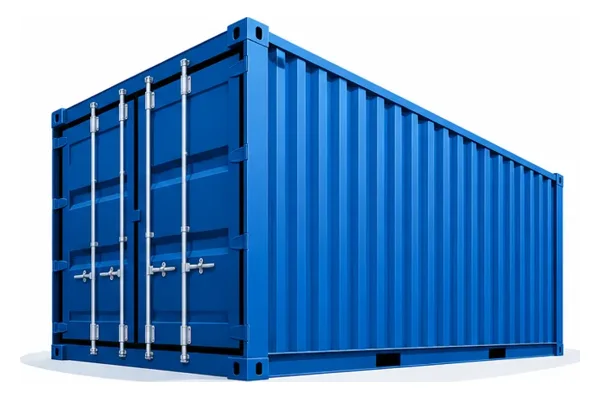
That is why the type of storage matters. Indoor units inside a building usually have steadier conditions than an outdoor container. Some stores also offer climate-controlled units. Our guide to container vs indoor storage explains the differences.
Clean and wax before storing
- Dust thoroughly and wipe away any spills or sticky marks with a barely damp cloth, then dry straight away.
- Let the piece dry fully, especially if it has been near a window or in a damp room.
- Apply a thin coat of good quality furniture wax or polish suited to the finish. This gives the surface a light protective layer.
- Empty drawers and cupboards, or pack them only with light, dry soft items.
For valuable antiques, check with a furniture restorer before using any product, as some finishes need specific care.
Wrap it the right way
This is where people most often go wrong. Plastic wrap and bubble wrap feel like the safest option, but wrapped tightly around wood for weeks or months they can trap moisture and leave marks on the finish.
- Use moving blankets or cotton dust sheets as the layer touching the wood.
- If you need to hold the blanket in place, put stretch wrap around the outside of the blanket, never directly on the wood.
- Protect corners and legs with cardboard corner protectors or extra padding.
- Wrap glass doors and mirrors separately, ideally in a mirror box.
- Avoid tape directly on wood or polished surfaces, as it can lift the finish.
Our guide to the best boxes and packing materials covers blankets, paper and bubble wrap in more detail.
Dismantle carefully
Taking furniture apart saves space and reduces the risk of damage, but only if it was designed to come apart. Bed frames, dining tables with bolt-on legs and modern flat-pack pieces are usually fine. Many antiques are glued or jointed and should stay in one piece.
- Photograph each step as you dismantle so you can reverse it later.
- Bag screws, bolts and fittings, label the bag and tape it to the main piece.
- Wrap legs and panels individually so they do not rub together.
- Remove glass shelves and pack them flat and padded.
For more on moving larger pieces, see our guide to storing furniture during a house move.
Placing furniture in the unit
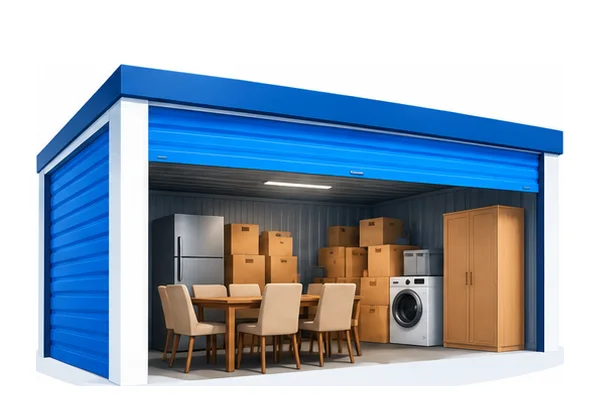
- Keep it off the floor. Stand pieces on pallets, wooden boards or thick cardboard so they are not in contact with concrete.
- Leave a gap from the walls. A little space lets air circulate and stops damp walls touching the wood.
- Store it as it stands. Do not tip tables or cabinets onto their tops, and avoid stacking heavy items on polished surfaces.
- Do not stack directly on top. If you must put something on a table or dresser, use a blanket and keep it light.
- Use moisture absorbers. Place a few around the unit and check them on visits. Our guide to preventing damp and mould in storage has more tips.
Plan where the furniture will go before you arrive. Our guide on how to pack a storage unit explains how to fit large pieces and still leave a walkway.
Insurance and valuable pieces
If you are storing antiques or high-value furniture, check the store's insurance terms and whether you need to declare individual items. Keep photos and a list of each piece as part of your storage inventory. For anything very valuable, a specialist insurer or valuer can advise.
Looking for an indoor or climate-controlled unit for your furniture? Tell us what you need and every suitable store near you can send you a price.