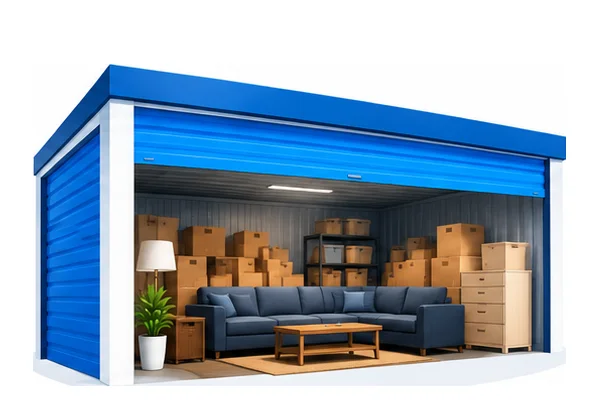
For storage, the best boxes are sturdy double-wall cardboard boxes in two or three standard sizes, plus lidded plastic crates for anything precious or damp-sensitive. Add wardrobe boxes for hanging clothes, packing paper for most wrapping, bubble wrap for fragile items and a good quality tape. Matching box sizes matters more than people expect, because uniform boxes stack safely and use the space better.
Cardboard boxes: go for double-wall
Single-wall boxes from the supermarket are fine for a quick house move, but storage is different. Boxes sit under weight for weeks or months, so weak ones crush and lean. Double-wall boxes have two layers of corrugated board and hold their shape much better under a stack.
- Small boxes for heavy things like books, tins, tools and records.
- Medium boxes for kitchenware, toys, shoes and general items.
- Large boxes for light, bulky things like bedding, cushions and lampshades.
The rule is simple: the heavier the contents, the smaller the box. A large box full of books is hard to lift and likely to split.

Plastic crates: worth it for some things
Lidded plastic crates cost more than cardboard but last for years and protect better against damp, pests and crushing. They are a good choice for:
- Paperwork, photos and keepsakes
- Electronics and cables
- Anything going into a container or a unit you will store in for a long time
- Items you will access often, as lids are easier than re-taping boxes
Pick crates with flat lids that stack. Clear crates let you see the contents at a glance. If damp is a worry, our guide to preventing damp and mould in storage explains what else to do.
Specialist boxes
A few types of box are well worth having:
- Wardrobe boxes have a hanging rail, so suits, coats and dresses stay on hangers and do not crease.
- Picture and mirror boxes are thin, adjustable boxes that protect glass and frames.
- Archive boxes are sized for files and folders and stack neatly, which suits business records.
- Dish packs or cell dividers keep glasses and plates apart.
Bubble wrap or paper?
Both have a place. Here is a quick comparison.
| Material | Best for | Watch out for |
|---|---|---|
| Packing paper | Plates, glasses, ornaments, filling gaps | Use plain paper, as newspaper ink can rub off |
| Bubble wrap | Electronics, very fragile items, picture frames | Do not wrap wooden furniture tightly, it can trap moisture |
| Moving blankets | Furniture, appliances, large items | Need a clean, dry spot to store them when not in use |
| Dust sheets | Covering furniture and sofas in the unit | Cotton breathes better than plastic sheeting |
For wooden or antique furniture, breathable wrapping is the safer choice. Our guide to protecting wooden furniture in storage covers this.
Tape, labels and the small stuff
Cheap tape is a false economy. It lifts over time, especially in a cold unit, and boxes start to open under the weight of the stack. Buy a decent packing tape and tape the bottom of every box with an H pattern: once along the centre seam and once across each end.
Also pick up:
- Thick marker pens and labels, or coloured stickers if you want to colour code by room
- Sealable bags for screws and fittings
- Stretch wrap for keeping drawers and doors closed (on the outside of a blanket, not directly on wood)
Good labels make a big difference later. See our guide to storage inventory and labelling for a simple system.
Why uniform sizes help
A unit full of random boxes wastes space and creates wobbly stacks. Sticking to two or three standard sizes means boxes sit square on each other, take weight evenly and fill the space neatly. That can even mean you need a smaller unit. Our storage size guide can help you work it out, and our guide on how to pack a storage unit covers loading it all in.
Many stores sell boxes and packing materials on site, so ask when they get in touch. Tell us what you need and every suitable store near you can send you a price.