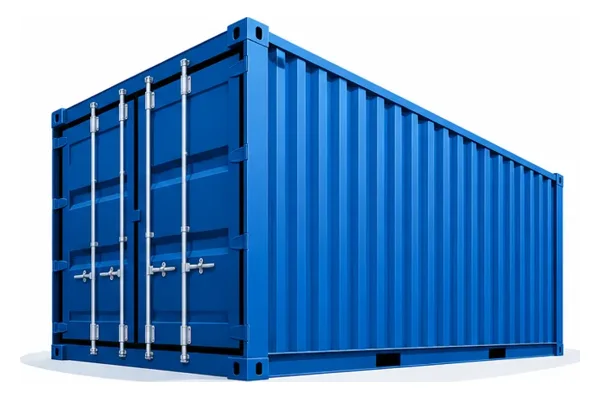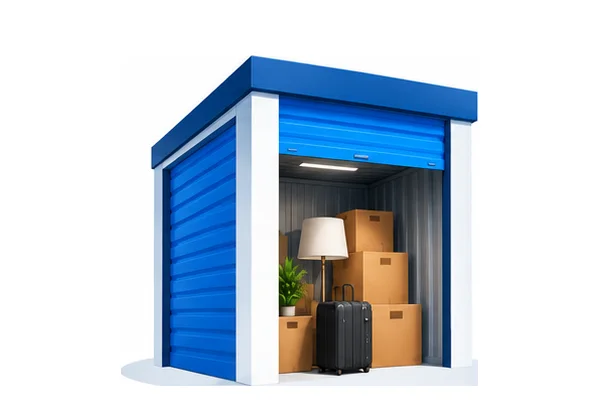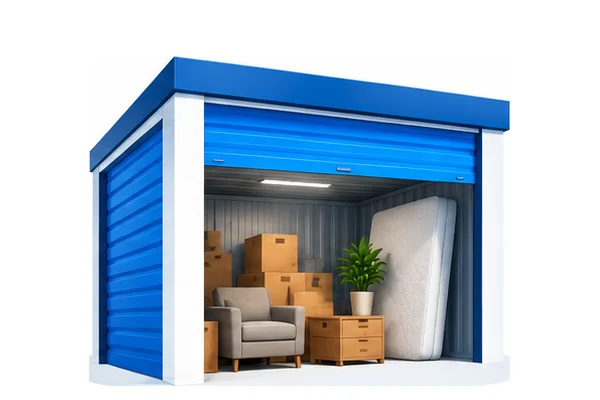
The best way to pack a storage unit is to plan it before you arrive: big, heavy and rarely needed items go at the back, a walkway runs down the middle, boxes are stacked heaviest at the bottom, and anything you might want soon sits near the door. Add clear labels and a simple inventory list and you will be able to find things months later without emptying the whole unit.
Plan the layout before moving day
Ask the store for the exact internal dimensions of your unit, including the door width and ceiling height. Then sketch a rough floor plan on paper. It takes ten minutes and saves a lot of shuffling on the day.
- Mark where the large furniture will go, usually along the back and side walls.
- Leave a walkway from the door to the back so you can reach every section.
- Decide which zone is for "might need soon" items and put it by the door.
- Check whether the ceiling is high enough to use shelving or tall stacks.
If you are still unsure how much space you need, our storage size guide walks through what fits in each common unit size.
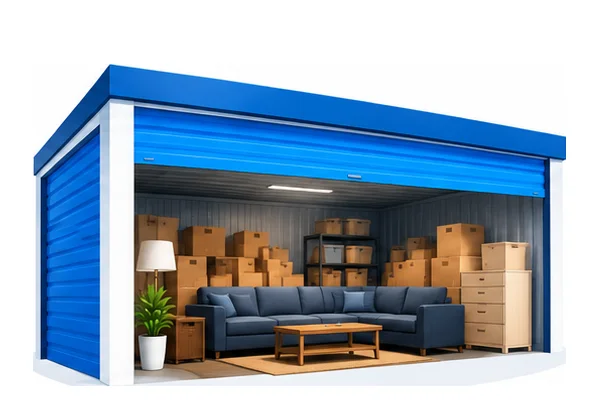
Load heavy and bulky items first
Start with the biggest, heaviest things: wardrobes, chests of drawers, fridges, washing machines and sofas. These go at the back and along the walls, standing as they would normally stand. Sofas can go on their end to save floor space if they are sturdy, but protect the arms and fabric.
Use the gaps inside furniture. Drawers can hold soft items like towels and bedding, and the space under a table can take a stack of boxes. Just do not overload drawers, as it strains the runners when the piece is moved again.
Dismantle what you can. Bed frames, tables with removable legs and flat-pack furniture take up far less space in pieces. Put screws and fittings in a sealed bag and tape it to the main part. Our guide to storing furniture during a house move has more on this.
Stack boxes safely
Boxes are where most of the space goes, so stack them with care.
- Heaviest boxes at the bottom, such as books, tools and kitchen items.
- Lighter boxes on top, such as bedding, clothes and lampshades.
- Keep stacks to a height you can reach and lift down safely.
- Use the same box sizes where you can, as uniform boxes make stable, square stacks.
- Turn every label to face the walkway.
Avoid leaning stacks against furniture, which can mark wood and makes the stack unstable when you move the furniture. See our guide to the best boxes and packing materials if you are buying supplies.
Use shelving if you will visit often
Freestanding shelving turns a unit from a pile into something closer to a stockroom. It is especially useful for small businesses storing stock, or anyone who will be coming back regularly. Check with the store first, as some have rules about fixing anything to walls. A freestanding unit that does not touch the walls is usually fine.
Shelving also keeps boxes off the floor, which helps with airflow. If damp is a concern, read our guide to preventing damp and mould in storage.
Label everything and keep an inventory
Write on at least two sides of each box: the room it came from and a short list of what is inside. Number the boxes too. Then keep a simple list on your phone that matches each number to its contents and where it sits in the unit. A quick photo of the unit once it is packed is a useful map.
We cover this in more detail in our guide to storage inventory and labelling.
What to put near the door
Think about what you might need before you collect everything. Common items for the front of the unit include:
- Seasonal clothes and coats
- Important paperwork in a clearly marked box
- Garden tools or sports kit, depending on the time of year
- Christmas decorations if you are storing over the winter
- Business stock you sell regularly
Before you start, check the store's rules on what is allowed. Our guide to what you can't put in storage covers the usual restrictions.
Still looking for the right unit? Tell us what you need and every suitable store near you can send you a price, so you can compare sizes and costs in one go.