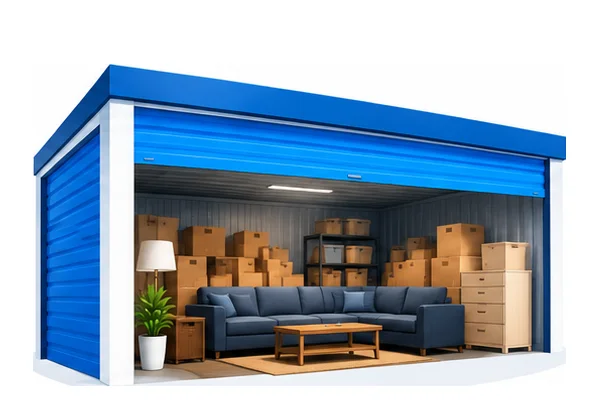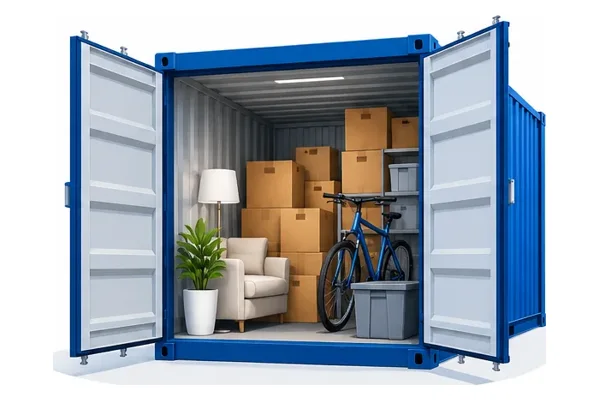
Self storage gives a small business extra space without the cost and commitment of a warehouse or bigger premises. You rent a lockable unit by the month, scale up or down as you need, and many stores will take deliveries for you while you are out. For stock, equipment, archives or seasonal kit, it is often the simplest way to free up room in your shop, office or home.
Why businesses use storage instead of a warehouse
A warehouse lease usually means a long contract, business rates, utilities, insurance on the building and fitting it out. That makes sense once you have steady volume and staff on site. Before then, it can tie up cash you would rather spend on stock or marketing.
Self storage works differently:
- Short commitments. Most stores let you rent on a rolling monthly basis, so you are not locked in for years.
- Pay for the space you use. Start with a small unit and move to a bigger one as you grow, often within the same building.
- Security included. Most sites have things like CCTV, gated entry and individual unit locks, which you would otherwise pay to set up yourself.
- No fit-out. You bring shelving and stock, and you are ready to go.
The trade-off is that a unit is storage, not a workplace. You generally cannot run a business from it, have customers visit or set up machinery. Check the store's terms if you plan to do anything more than store, pick and pack.
Flexible terms and access
When you compare stores, ask about the things that affect daily use, not just the monthly price:
- Notice period. How much notice you need to give to leave or change unit size.
- Access hours. Some sites open early and late, some offer extended access by arrangement. If you trade at weekends or start early, this matters more than a small price difference.
- Loading. Look for loading bays, trolleys, pallet trucks and lifts. A ground-floor or drive-up unit saves a lot of time if you visit often.
- Business extras. Some stores offer things like meeting rooms, Wi-Fi or small office spaces on site.
If you need very frequent vehicle access, a drive-up container may suit you better. Our guide to container vs indoor storage covers the differences.
Deliveries accepted
Many business-friendly stores will sign for deliveries and hold them, or put them in your unit, while you are elsewhere. This is useful if you buy stock from suppliers, receive pallets, or simply cannot be at home or the shop to wait for a courier.
Before you rely on it, ask:
- Whether there is a charge per delivery or per pallet.
- What size and weight of delivery they can handle.
- Whether staff will move items into your unit or leave them at reception.
- What happens if a delivery arrives outside office hours.
VAT on business storage
Supplies of storage facilities have been standard rated for VAT since 1 October 2012, according to HMRC's VAT Land and Property manual. So expect a VAT-registered store to add VAT to its prices. Some stores quote prices without VAT for business customers, so check which figure you are being given when you compare.
If your business is VAT registered and the storage is used for your business, you may be able to reclaim the VAT in the usual way. Rules depend on your circumstances, so check with your accountant if you are unsure.
Choosing the right unit
Size is the biggest decision. Too small and you waste time shuffling boxes. Too big and you pay for air. A few tips:
- Measure your stock or kit roughly, then allow space for an aisle so you can reach things.
- Think in height. Freestanding shelving lets you use the full height of the unit, which often means you can rent a smaller footprint.
- Allow room for growth over the next few months, not years. You can usually move up later.
Our storage unit size guide shows what fits in each size. As a rough guide from MyBuilder, medium units (50-150 sq ft) cost around £50-£200 a month and large units (200 sq ft+) around £200-£400+, with prices varying a lot by region. See how much self storage costs for more detail.
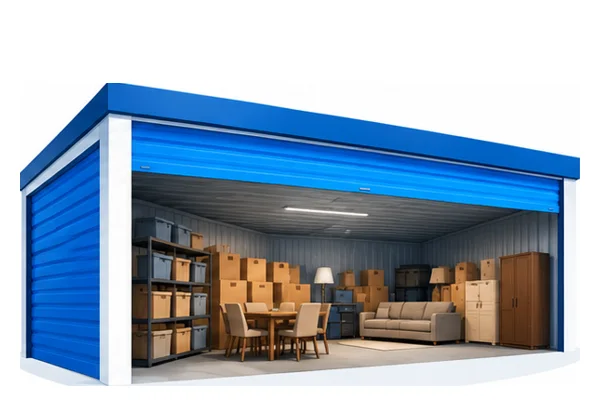
Also check the store's list of prohibited items. Some stock, such as flammable liquids, chemicals or perishable food, may not be allowed. Our guide to what you can't put in storage covers the usual rules.
Which kind of business are you?
Different businesses need different things from a store. We have written specific guides for:
- Online sellers storing stock
- Tradespeople and builders
- Storing business documents and archives
- Market traders, events and seasonal stock
Need business storage? Tell us your postcode, the size you think you need and how often you will visit, and every suitable store near you can send you a price.