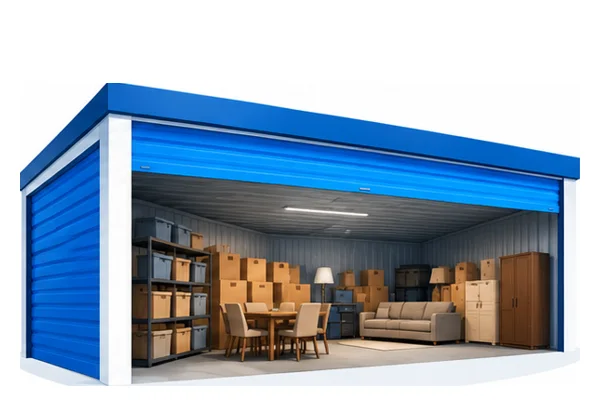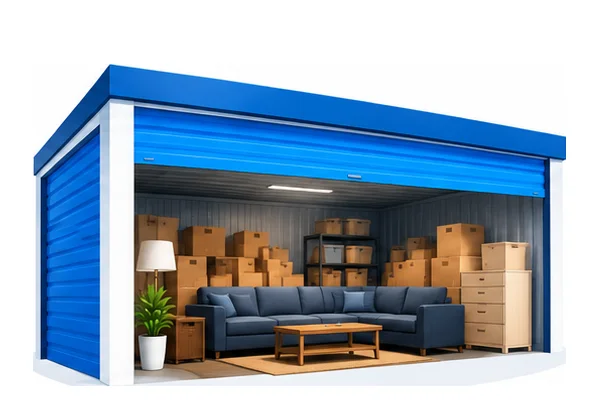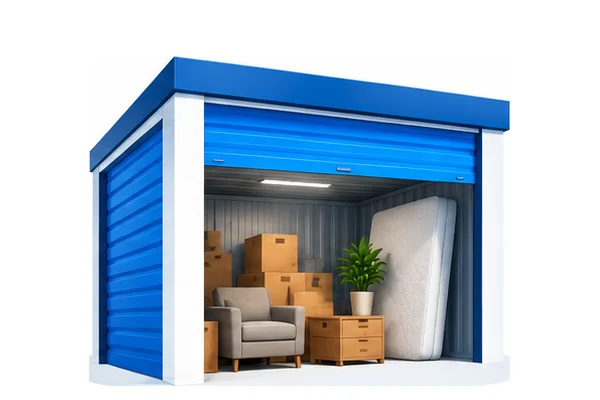
Tradespeople and builders use storage to keep tools out of vans overnight, hold materials between jobs and free up space at home. The best fit is usually a drive-up container or ground-floor unit with early access, so you can load the van and be on site on time. Security and insurance matter just as much as size, because tools are expensive and easy to sell on.
Why trades use storage
- Get tools out of the van. Leaving tools in a van overnight is a common theft risk. A secure unit nearby means you only carry what you need for the day.
- Buy materials in bulk. Somewhere to keep timber, tiles, plasterboard or fittings lets you take advantage of bulk prices and have stock ready for the next job.
- Hold kit between jobs. Scaffold towers, mixers, ladders and larger equipment take up a lot of room at home.
- Reclaim your garage or drive. Keeping work stuff separate from home is easier for everyone.
Drive-up container yards
For many trades, a shipping container in a secure yard is the most practical option. You drive right up to the doors, load straight into the van and leave. There are no corridors, lifts or trolleys to deal with.
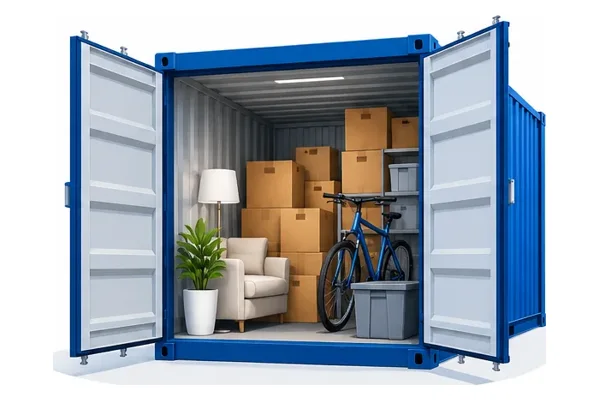
Things to check with a container yard:
- Whether there is room to turn and park a van, or a van with a trailer, next to your container.
- Whether the container is wind and watertight and has ventilation, as condensation can rust tools.
- Ground conditions in winter. A hard-standing surface is much easier than gravel or mud when you are carrying heavy kit.
- Whether you can fit your own racking inside.
Indoor units can work well too, especially for smaller tools, fittings and anything that needs to stay dry and at a steadier temperature. Our guide to container vs indoor storage compares the two.
Early access
If you need to be on site at 7.30am, a store that opens at 8am is no good. Access hours vary a lot between sites, so ask directly:
- What time you can get in on weekdays and Saturdays.
- Whether 24-hour or extended access is available, and if it costs more.
- Whether access is by keypad, fob or app, so you are not waiting for staff.
Container yards often have longer access hours than indoor stores, but not always. Location matters too. A unit on your usual route to work is worth more than a cheaper one in the wrong direction.
Keeping tools secure
Tool theft is a real worry for trades, so look closely at security when comparing sites:
- Site security. Look for perimeter fencing, gated entry, CCTV, good lighting and staff or monitoring.
- Your own lock. Use a good-quality closed-shackle padlock or disc lock. Some containers have a lock box that protects the padlock from bolt cutters.
- Mark your tools. Engrave or UV-mark tools with your postcode or business name, and keep a list with serial numbers and photos.
- Keep the valuable stuff out of sight. Put the most expensive kit at the back, behind materials, rather than right by the doors.
Insurance and what you can store
Your goods in storage usually need to be insured, either through the store's own cover or your own policy. If you already have tools insurance as part of your trade cover, check whether it covers tools kept in a storage unit or container, as some policies only cover tools at home, on site or in a locked van. Ask the store what its cover includes, what it excludes and how claims work, and read the terms carefully.
Check the rules on what you can store as well. Fuel, gas bottles, paint thinners, solvents and other flammable or hazardous materials are usually not allowed. Petrol tools often need to be drained first. Our guide to what you can't put in storage covers the usual restrictions.
For sizes, prices and VAT on business storage, see our business storage guide and self storage costs.
Need a container or unit for your tools and materials? Tell us your postcode and the access you need, and every suitable store or yard near you can send you a price.