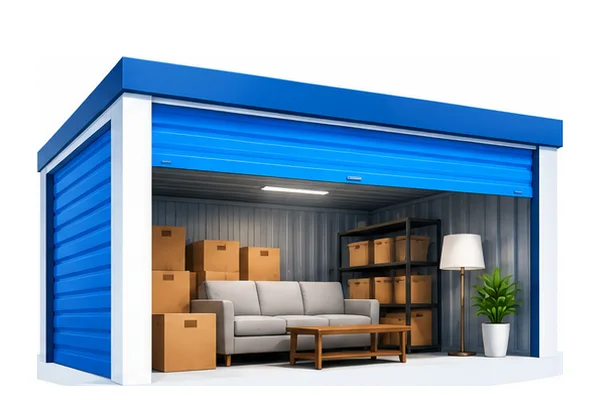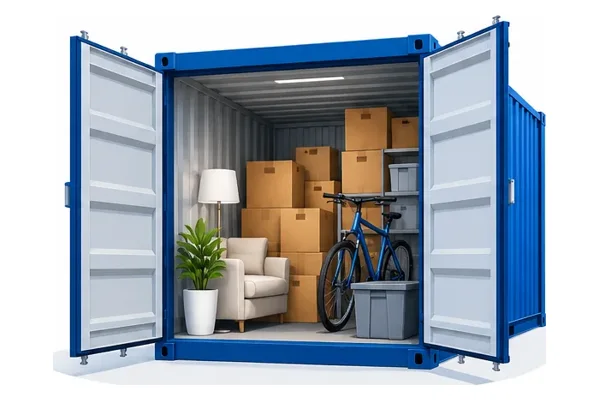
For most people, yes. A well-run self storage site is usually far more secure than a garage, shed or loft. Your things sit behind several layers of protection: a perimeter fence or locked building, controlled entry, cameras and your own lock on the door. But standards vary from store to store, so it pays to know what to look for and to ask before you sign up.
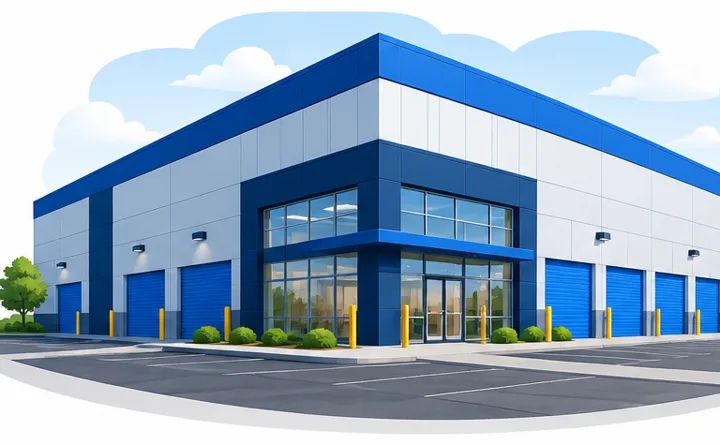
Security features to look for
No single feature makes a store safe. What matters is how the layers work together. When you visit or call, check for these:
- CCTV that covers the whole site. Cameras should cover entrances, corridors, lifts and outdoor container rows, not just the reception desk. Ask whether footage is recorded and how long it is kept.
- Access control. Most stores use a personal PIN code, key fob or app to open gates and doors. This logs who comes and goes and when, and keeps the public out.
- Intruder alarms. The building or yard should be alarmed out of hours, ideally linked to a monitoring centre rather than just a siren.
- Individually alarmed units. Some stores alarm each unit door, so it is armed when you leave and only your code disarms it. This is a strong extra layer if you are storing valuable items.
- Staff on site. A manned reception during opening hours deters casual trouble and means someone notices if something looks wrong.
- Good lighting and perimeter fencing. Especially important at container yards, where units are outdoors.
- Fire protection. Smoke detection and, in larger buildings, sprinklers protect your belongings from more than theft.
Indoor units vs containers
Indoor storage puts your unit inside a locked building, so there is an extra barrier between the street and your door. Shipping containers are outdoors but are made of thick steel and usually sit inside a fenced, gated yard. Both can be very secure. The difference is often in the details: lighting, camera coverage and how the gate is controlled. Our guide to container vs indoor storage covers the other trade-offs, and our shipping container storage guide goes into containers in more depth.
How to protect your own unit
The store handles the site. You are usually responsible for your own lock and for what you put inside. A few simple habits make a real difference:
- Use a disc lock or closed-shackle padlock. Disc locks have very little exposed shackle, which makes them much harder to cut than a cheap open padlock. Many stores sell them at reception.
- Keep your access code and keys to yourself. Only give them to people you trust, and tell the store who else is allowed in.
- Do not label boxes with what is inside if it is valuable. "Kitchen" is fine. "Jewellery" or "laptops" is not.
- Keep an inventory with photos. It helps with any insurance claim and stops you forgetting what you have stored.
- Visit now and then. A quick check every few months lets you spot damp, pests or tampering early.
- Keep really precious items elsewhere. Cash, passports and irreplaceable jewellery are better in a safe or bank box.
Insurance and what you can store
Security reduces risk but never removes it, so make sure your belongings are covered. Most stores require insurance, either through their own cover or your home contents policy if it extends to items in storage. Check the limits and any exclusions in the terms rather than assuming you are covered.
Safety also depends on what goes into the units around you. Good stores ban flammable, hazardous and perishable items, which protects everyone on site. Our guide to what you can't put in storage lists the usual rules.
Questions to ask before you book
- Is the CCTV recorded, and does it cover the corridor or row where my unit is?
- How is access controlled, and are entries logged?
- Is the site alarmed and monitored out of hours? Are individual units alarmed?
- When are staff on site?
- What lock do you recommend, and is it included?
- What insurance do I need, and what does it cover?
A good store will answer these happily. If the answers are vague, look elsewhere. Security features can also affect price, so compare like for like using our guide to how much self storage costs.
Want a secure store near you? Tell us what you need and every suitable local store can send you a price, so you can compare security and cost side by side.