Heated or climate-controlled storage keeps your unit at a steadier temperature and humidity than an unheated room or container. In the UK the bigger enemy is usually damp rather than extreme heat or cold. If you are storing wooden furniture, electronics, important papers or artwork for more than a few weeks, a well-insulated indoor unit with some climate control is worth asking about. For garden tools, plastic boxes and most household items, a standard dry unit is normally fine.
What the terms actually mean
Storage companies use these phrases loosely, so always ask what is behind them.
- Heated storage usually means the building is kept above a minimum temperature in winter, so it does not drop close to freezing.
- Climate-controlled storage should mean temperature and humidity are both managed, often with heating, ventilation and sometimes dehumidifiers.
- Temperature-stable or insulated storage often just means a well-built indoor unit that avoids big swings, without active heating.
None of these is a legal standard. One store's "climate-controlled" may be another's "heated", so ask for specifics rather than relying on the label.
Which items benefit
Temperature swings and humidity cause condensation, which leads to mould, warping, rust and corrosion. These items are the most sensitive:
- Wooden furniture. Wood swells and shrinks with moisture, which can crack veneers and loosen joints.
- Electronics. Condensation can damage circuit boards and screens. Computers, TVs and audio kit prefer stable, dry conditions.
- Documents and photos. Paper absorbs moisture and goes mouldy. Photos can stick together.
- Artwork and musical instruments. Canvas, paint, pianos and guitars all react badly to changes in humidity.
- Mattresses, soft furnishings and clothes. Fabric can pick up damp smells and mildew over a long stay.
- Leather. Sofas, bags and jackets can crack in dry conditions or grow mould in damp ones.
If you are putting a whole home into storage during a move, see our guide to storing furniture during a house move for packing tips that help even in a standard unit.
Indoor units vs shipping containers
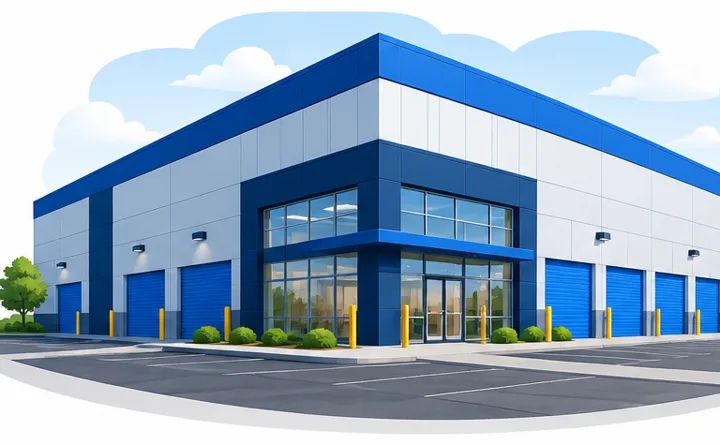
Indoor units inside a modern building are naturally more stable because they are shielded from the weather. This is where heated and climate-controlled options are most often found.
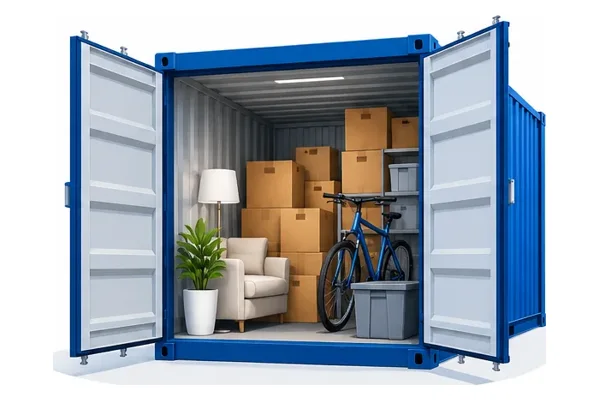
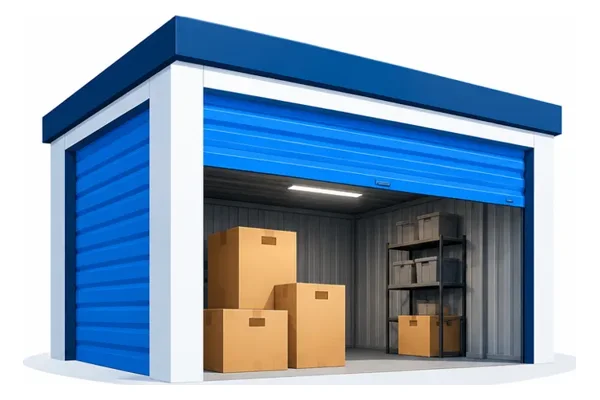
Shipping containers are steel boxes outdoors. They warm up on sunny days and cool quickly at night, and that cycle can cause condensation on the inside of the roof and walls. Many container stores reduce this with vents, lining or moisture absorbers, and containers suit plenty of items perfectly well. But for sensitive belongings over a long period, an indoor unit is usually the safer choice. Our container vs indoor storage guide and shipping container storage guide explain the differences in more detail.
Questions to ask the store
- Is the unit heated, climate-controlled or just indoors and insulated?
- Is humidity managed as well as temperature?
- Is it controlled all year, or only in winter?
- Has the building had any damp, leak or flooding problems?
- Can I see the actual unit, or one like it, before I book?
- Does the price differ from a standard unit, and by how much?
Protecting items in any unit
Whatever unit you choose, a few habits help keep things dry:
- Make sure everything is clean and fully dry before it goes in.
- Raise items off the floor on pallets or boards.
- Leave a small gap between furniture and the walls so air can move.
- Use breathable covers such as cotton sheets rather than sealing wood in plastic.
- Put moisture absorbers in the unit and check them on each visit.
- Store documents in sealed plastic boxes rather than cardboard.
Climate control usually costs more than a standard unit of the same size. To see what typical units cost, read our guide to how much self storage costs.
Need somewhere dry and stable for furniture, electronics or papers? Tell us what you are storing and every suitable store near you can send you a price, including heated and climate-controlled options.