24-hour storage access is worth it if you genuinely need to reach your things outside normal hours, for example if you work shifts, run a trade business with early starts or move stock in the evenings. For most people storing furniture during a move or clearing space at home, standard opening hours are plenty, and you may save money by not paying for access you never use. Here is how to decide.
Who actually needs 24-hour access
Round-the-clock access tends to suit people whose working day does not fit office hours:
- Tradespeople who load tools and materials before an early start or drop them off after a late finish
- Shift workers such as NHS staff, hospitality workers and drivers
- Market traders and event businesses who set up very early or pack down late
- Online sellers who pick and pack stock in the evenings
- People with hobby kit like bikes, kayaks or camping gear who head off before dawn
If you only expect to visit a handful of times, or you are storing household goods you will not touch until you move, you probably do not need it.
How out-of-hours access usually works
Arrangements vary between stores, so always ask. Common set-ups include:
- Extended hours - access from early morning to late evening every day, rather than true 24-hour access
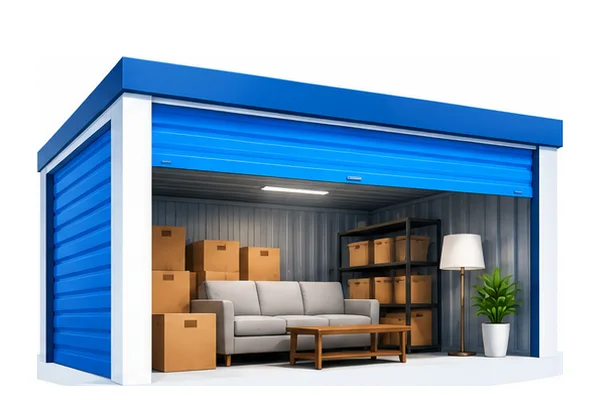
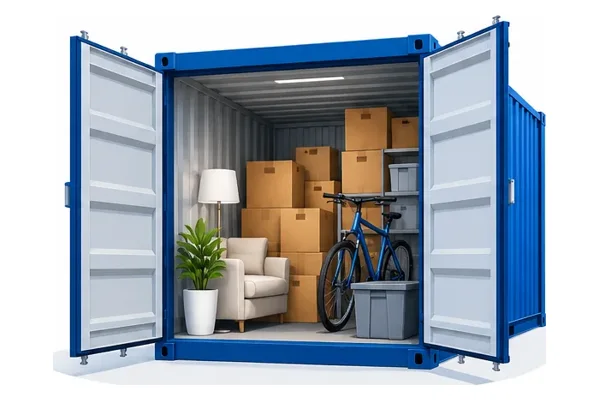
- 24-hour access for selected units - often drive-up units or outdoor containers, which you can reach without entering the main building
- Access by PIN code, key fob or app - each visit is logged, and some stores let you set access for other named people
- Access on request - out-of-hours visits arranged in advance, sometimes for a fee
Outdoor container storage is often where you find the most flexible access, because you can drive straight up to the door. Indoor stores more often limit access to set hours.
Security trade-offs
More access for you can mean more coming and going for everyone. That does not make a 24-hour site unsafe, but it is worth checking how it is protected when no staff are around:
- Is the site gated, with access only by individual code or fob?
- Is CCTV monitored, and are cameras positioned on the entrances and unit doors?
- Is the site well lit at night?
- Are units alarmed individually?
- Is there an emergency contact number for out-of-hours problems?
Think about your own safety too. A quiet site late at night is different from a staffed reception during the day. Check the lighting and layout on a visit before you commit.
Also check how your insurance treats out-of-hours access. Our guide to self storage insurance covers what to look for.
How the cost compares
Some stores include 24-hour access in the standard price. Others charge a supplement, or only offer it on certain unit types that may cost more. The difference varies, so ask each store directly:
- Is 24-hour access included or an add-on?
- Is it only available on certain units?
- Is there a one-off set-up fee for a fob or code?
Then compare the extra cost with what you would lose by not having it, such as waiting for opening time before a job or making extra trips. For general price ranges, see how much self storage costs.
A quick way to decide
- Write down when you expect to visit - roughly how often and at what times.
- Check those times against the store's normal opening hours.
- If most visits fall outside them, 24-hour access is likely to be worth it.
- If only the odd visit falls outside, ask whether the store can arrange occasional out-of-hours access instead.
It is one of the key points in our list of questions to ask before renting storage.
If you need early or late access, say so when you request quotes. Tell us what you need through Local Storage Quote and every suitable store near you can send you a price, including details of their access hours.