To store a sofa well, clean it thoroughly, let it dry completely, take off any legs that unscrew, wrap it in a breathable cover rather than plastic and keep it level on a pallet or boards in a clean, dry unit. Don't pile heavy boxes on top. Do those few things and it should come out looking the same as when it went in, whether that's three weeks or three years later.
Clean and dry it before it goes anywhere
Crumbs, pet hair and spills attract pests and can turn into stains or smells over a few months. Spend half an hour on it before moving day.
- Vacuum everywhere, including down the sides and under the cushions.
- Spot clean any marks using the cleaning code on the care label, if there is one.
- Wash removable cushion covers if the label allows it, and put them back on only once they're bone dry.
- Leave the sofa to air for a day after cleaning. Trapped moisture is the main cause of mould and musty smells in storage.
Cover it with something breathable
It's tempting to shrink-wrap a sofa in plastic, and that's fine for the few hours it spends in a removals van. For longer storage, plastic traps moisture against the fabric, which is exactly what you don't want. Use cotton dust sheets, old bedsheets or proper furniture covers instead. They keep dust off while still letting air move.
If the plastic wrap went on for the move, take it off once the sofa is in the unit and swap it for a fabric cover. Wrap legs and any exposed wooden or metal trim in bubble wrap or blankets to stop knocks from other furniture.
Leather vs fabric sofas
Leather
Leather needs a little more care. Clean it and apply a leather conditioner a few days before storage so it doesn't dry out and crack. Never wrap leather in plastic, as it needs to breathe. Keep it away from walls and anything that might rub against it, and avoid stacking anything on the seat, as pressure marks in leather can be hard to shift.
Fabric
Fabric sofas are more forgiving but more likely to hold dust, odours and moth damage if they contain wool. A clean fabric sofa with a breathable cover and a moth deterrent nearby (such as cedar blocks) will usually store well.
Should you stand a sofa on its end?
Standing a sofa on its end saves a lot of floor space, and plenty of people do it. The catch is that it puts weight on parts of the frame and cushions that weren't designed to carry it. For a short stay with a sturdy, solid-frame sofa it's often fine. For longer storage, or for anything with a delicate frame, soft cushioning or a sofa bed mechanism, keep it in its normal position.
Some practical tips either way:
- Remove the legs if they unscrew. Put the legs and screws in a labelled bag and tape it to the frame.
- Raise the sofa off the floor on a pallet or a couple of boards so air can circulate underneath.
- Store loose cushions on the seat or in a bag on top, not squashed under heavy items.
- Only put light, soft items on top of a sofa. Never use it as a base for boxes.
- Leave a small gap between the sofa and the unit wall.
Our guide to storing furniture during a house move covers packing up the rest of a room, and the mattress storage guide follows the same principles for beds.
What size storage unit do you need for a sofa?
A single sofa on its own fits in a small unit, but very few people store just a sofa. If it's going in with the rest of a living room or a whole flat, size the unit for everything. Remember that a sofa kept flat takes up much more floor space than one on its end, so allow for that if you want to store it properly.
Use our storage unit size guide to work out roughly what you need, and tell the store what you're bringing. Staff see sofas every day and can usually suggest the right size. For costs, see how much self storage costs.
Indoor unit or container?
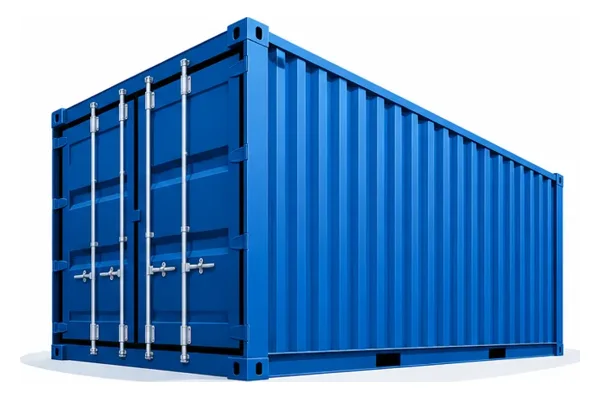
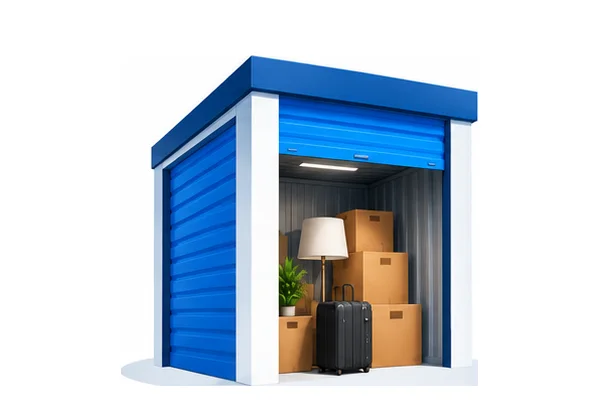
An indoor unit in a dry building is usually the safer bet for upholstered furniture, especially leather or anything you're keeping for a long time. A well-maintained, ventilated container can work too, particularly for short stays, but you'll want to be stricter about breathable covers and keeping the sofa off the floor. Our comparison of container vs indoor storage explains the trade-offs.
Need somewhere to keep your sofa? Tell us what you're storing and for how long, and every suitable store near you can send you a price.