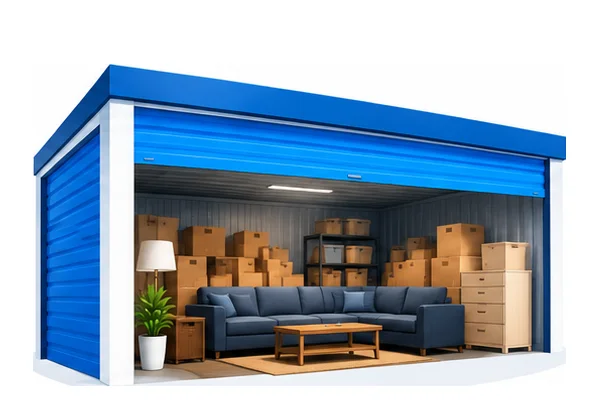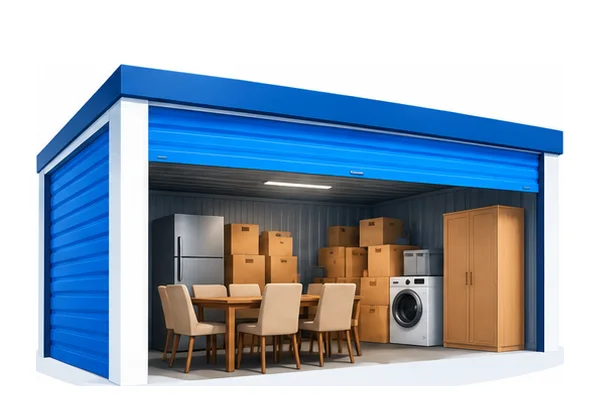
When a relationship ends, one of you often moves out before the finances and the house are settled. That can take months, and the new place is usually smaller or temporary. A storage unit gives you somewhere neutral to keep furniture and belongings until you know where you will end up, without having to make big decisions about what to keep in a hurry.
Updated November 2026
If you are planning the move itself, our sister site getdivorced.co.uk has a step-by-step moving-out checklist covering paperwork, bills, children and what to take with you.
When storage helps
- You are moving somewhere smaller for now - a rented room, a friend's spare room or back with family, with no space for your furniture.
- The house is being sold - clearing it out makes viewings easier, and you may not have your next home lined up when it completes.
- Shared items are not decided yet - storing them somewhere neither of you lives can take the heat out of who keeps what.
- You want a clean break at home - boxing up things you are not ready to sort through gives you space without throwing anything away.
Keep a record of what goes in
Before anything leaves the house, make a simple list of what you are storing and take photos, including anything you think of as shared. Dated photos and a list help if there is any later disagreement about what existed and what condition it was in. Give your ex a copy if you are storing shared items, so nothing looks hidden.
Avoid selling or giving away things you bought together until you have agreed what happens to them. If you are not sure whether something counts as shared, ask your solicitor or mediator before you move it. This guide is practical storage advice, not legal advice.
Whose name goes on the storage contract
The person named on the contract usually controls access and is responsible for paying. That matters when you are separating:
- Storing your own things - put the unit in your own name and pay from your own account.
- Storing shared items - ask the store whether they allow two named people with access, and agree in writing who pays the monthly fee. Some couples split it, others take it out of the final settlement.
- Keep the code or key to yourself - if only you should have access, do not share the gate code or padlock key.
What to store and what to keep with you
Store bulky furniture, kitchen items you will not need for a while, seasonal clothes, sports gear and boxed-up keepsakes. Keep important documents, passports, jewellery, cash and anything with sentimental value you could not replace with you or in a bank safe deposit box. Most stores do not allow some items at all, such as flammables and perishable food - see what you can't put in storage.
If you have children, think about storing a few of their familiar things where they can reach them easily, or keeping them out of storage altogether so both homes feel like theirs.
How much space you need
- 25 sq ft - boxes, a bike and a few small pieces, about a car boot load or two.
- 50 sq ft - the contents of one bedroom or a small studio.
- 75-100 sq ft - a one or two bedroom flat.
- 150 sq ft and up - most of a family house.
If you are not sure, see what size storage unit you need. Most stores let you move to a different unit later if you got it wrong.
What it costs
Prices depend on the town and the unit size. A small unit can be under £100 a month, and a large one in London can be several hundred. Look for stores that let you pay monthly with short notice, because you may not know how long you will need it. Many offer a discount for the first few weeks. See how much self storage costs for typical prices.
Check whether your home contents insurance still covers your things once they are in storage and you have moved out. If not, take the store's cover - see self storage insurance explained.
Tips for packing when emotions are running high
- Pack your own things first and leave shared items until you have agreed what happens to them.
- Label boxes by room and owner, not just contents.
- Ask a friend to help on moving day so it is quicker and less stressful.
- Book a van or removal firm with a clear time slot so you are not in the house longer than you need to be.
For more on getting furniture safely into a unit, read storing furniture during a house move.
Need somewhere to store your things while you sort out what happens next? Tell us your postcode and how much space you need, and we will send your request to local stores - free and with no obligation.